 ntézet
 lapítvány
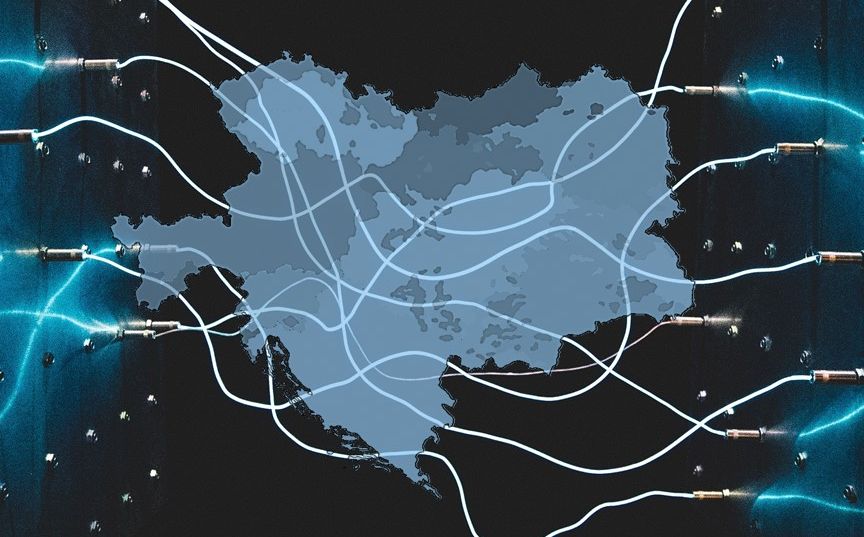
4th annual conference of the ERC Nepostrans – Negotiating post-imperial transitions: from remobilization to nation-state consolidation. A comparative study of local and regional transitions in post-Habsburg East and Central Europe 1917-1930.
CO-ORGANIZED BY:
Institute of History of the Slovak Academy of Sciences
Faculty of Law of Comenius University
Institute of Political History in Budapest
ERC Consolidator Grant Project “Negotiating post-imperial transitions” (NEPOSTRANS)
SUPPORTED BY:
Hungarian Cultural Centre Bratislava
Italian Cultural Institute in Bratislava
Italian Embassy, Bratislava
Goethe Institut in Slovakia
Netherlands Embassy of Slovakia
Slovak Historical Society
DATE: 24-25 MAY 2022
The location of the venue is:
Auditórium Maximum, Faculty of Law of Comenius University, Šafárikovo námestie 6, 811 02 Bratislava
Registration:
Online participation is possible after registration by May 23 the latest HERE.
9:00 Opening
PANEL – SCALES AND CHARACTER OF COLLECTIVE IDENTITIES IN TRANSITION
9:15–9:35 ♦ Piotr Kimla
Ignacy Daszyński’s Attitude Towards Austro-Hungarian Monarchy
9:35–9:55 ♦ Caroline Schep
“‘Wienerisch’ as it lives in our day”: Wiener Werkstätte fashion and the search for a Jewish Austrian identity, 1914-1932
9:55–10:15 ♦ Cody James Inglis
Concern for Transition During and After Empire: The Local Historical Work of Anton (Antonín) Vrbka, 1890s–1930s
10:15–10:45 ♦ Discussion
10:45–11:00 Break
PANEL – THE HORIZONS OF CENTRAL EUROPE
11:15–11:35 ♦ Marco Bresciani
Transition and Reconfiguration of Globalization in Post-Habsburg Upper Adriatic and Central Europe
11:35–11:55 ♦ Gergios Giannakopoulos
Of Dominions and Successor States: The western afterlives of AustriaHungary
11:55–12:15 ♦ Gabriel Godeffroy
The Conceptual Transition of Mitteleuropa in Elemér Hantos’s Thought, 1901-1938
12:15–12:45 ♦ Discussion
12:45-13:30 Break
PANEL – LOCAL IDENTITIES AND LOCAL TRANSITIONS IN ROMANIA
13:30–13:50 ♦ James Korányi
Rural Saxons in Urban Transylvania in Romania
13:50–14:10 ♦ Gábor Egry
The long shadow of past worlds? Persistent local identities and nationalizing discourses in post-WWI Transylvania
14:10–14:30 ♦ Anikó-Borbála Izsák
TBD
14:30–15:00 Discussion
15:00–15:15 Break
PANEL – VISIONS OF CRISIS AND EXPERIENCES OF EXILE AFTER EMPIRE
15:15–15:35 ♦ Lucija Balikic
Narratives of caesurae in the postHabsburg space: the case of interwar Yugoslav Sokol activists and their reflections on the crisis of dualism
15:35–15:55 ♦ Florian Ruttner
“The Struggle of an Old World with a New One” – Edvard Beneš’s Assessment of the Post-War Crisis
15:55–16:15 ♦ Pál Hatos
The Revolution in Exile. Hungarian Emigrés and the Conflicting Visions of the 1918 October Revolution in the early 1920s
16:15–16:45 ♦ Discussion
KEYNOE
17:00–18:30 ♦ Mateusz Chmurski
Seismographs of Change? (Post-)War Central-European Diaries, 1918-1921
MAY 25
PANEL – POSTIMPERIAL DISCOURSES OF ‘NATIONAL’ HEROICS AND ‘NATIONAL’ HEROES
9:00–9:20 ♦ Ivan Jeličić
“Our City Was Made Worthy Daughter of Italy by The Merit of Its Sons”, Post-Imperial Fiume between Victorious Italian National Narratives, Locals’ Experiences, and Economic and Cultural Ties
9:20–9:40 ♦ Michal Kšiňan and Juraj Babják
Czechoslovak-Hungarian War Interwar Discourse: Between Silence and Heroization
9:40–10:10 ♦ Discussion
10:10–10:30 Break
PANEL – SOCIAL CONFLICT AND SOCIAL ORGANIZATION IN POSTIMPERIAL TRANSITION
10:30–10:50 ♦ Csongor Jánosi
Logging and Industrial Railways in Royal Romania. “Tișița” and Joint Stock Companies Related to Its Interests (1907-1940)
10:50–11:10 ♦ Vojtech Pojar
Mutual Help and Symbiosis: The Trajectories of Two Concepts in Post-Imperial Transitions
11:10–11:30 ♦ Matej Hanula
Discourse about the benefits of the transition from monarchy to the republic for peasantry as a propaganda tool of agrarian party in Slovakia after 1918
11:30–12:00 ♦ Discussion
12:00–13:00 Break
PANEL – RIGHT-WING POLITICS IN POSTHABSBURG CENTRAL AND SOUTHEASTERN EUROPE
13:00–13:20 ♦ Dragan Bakic
In Search of a Place in the Shadow of Totalitarianism: Discourses of Serbian Radical Right-Wing Intellectuals in the pre-1941 Kingdom of Yugoslavia
13:20–13:40 ♦ Traian Sandu
Three shadows of Post-Habsburg Transylvanian Right: From Critical moderate nationalism to Fascism, or how to integrate national Romania
13:40–14:00 ♦ Christopher Wendt
“Disintegration – Resurrection”? Catholic Conservative Conceptions of a Post-Imperial Order in (German-)Austrian Tyrol
14:00–14:30 ♦ Discussion
14:30–14:45 Break
PANEL – POSTIMPERIAL SHIFTS IN UKRAINIAN AND POLISH NATIONAL IDENTITY
14:45–15:05 ♦ Viktoriia Serhiyenko
Ukrainization’ and the Language Issue among the Ruthenians/Ukrainians of Interwar Czechoslovakia
15:05–15:25 ♦ Jagoda Wierzejska
The Transformation of the Idea of Community in the Interwar Polish Discourse on the PolishUkrainian War for Eastern Galicia (1918-1919)
15:45–16:05 ♦ Elisabeth Haid-Lener
A “Ukrainian Revolution”? Local Discourses on the Formation of the West Ukrainian People’s Republic
16:05–16:35 ♦ Discussion
16:35–16:50 Break
PANEL – SELF-REFLEXIVE DISCOURSES ON POSTIMPERIAL PROFESSIONAL CHANGE
16:50–17:10 ♦ Mikulás Zvánovecz
National school associations in Czechoslovakia in the aftermath of WW1
17:10–17:30 ♦ Francesco Magno
Transylvania’s and Bukovina’s Legal Professionals and the Debate on the New Romanian Justice System (1919-1926)
17:30–18:00 ♦ Discussion
18:00–19:00 ♦ Conclusions


Photo by israel palacio on Unsplash
